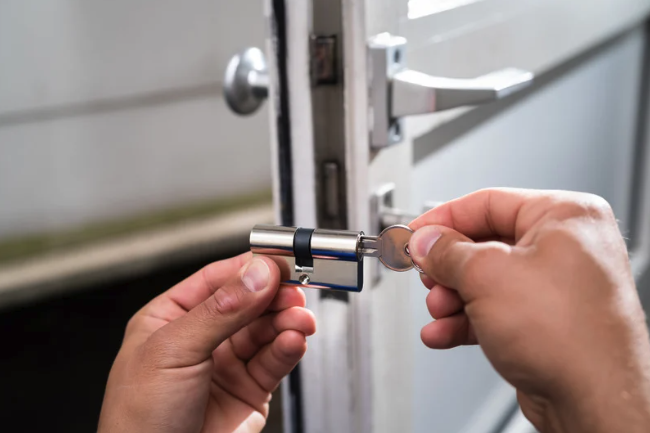
There are few things more frustrating than a key snapping inside your lock, especially when you are rushing out the door, getting home late at night, or trying to secure your property quickly. For many homeowners and business owners, it often seems to happen without warning. One day the key works fine, then suddenly half of it is stuck inside the lock.
At Veteran Locksmiths, snapped keys are one of the most common emergency callouts we attend across Hampshire, Surrey, and West Sussex. In most cases, the problem has been building for weeks or months before the key finally breaks.
Understanding why keys snap can help you avoid expensive repairs, prevent lockouts, and keep your locks working properly for longer.
Why Keys Snap Inside Locks
Keys are made from metal, but they are not indestructible. Over time, both the key and the lock experience wear from daily use. Once extra pressure is introduced, something eventually gives way.
Here are the most common causes we see.
Worn Or Damaged Keys
Keys naturally wear down over time. Every time you insert, turn, or remove a key, tiny amounts of metal gradually wear away. Older keys often become thinner, weaker, and more vulnerable to snapping under pressure.
Many people continue using damaged keys long after they notice signs of wear. Small bends, cracks, or rough edges are usually early warnings that the key is close to failing.
Common signs your key may be weakening include:
- The key feels loose in the lock
- You need to jiggle it to turn properly
- Visible bends or hairline cracks appear
- The key sticks when removing it
- The edges look smooth or worn down
If you notice any of these issues, replacing the key early is far cheaper than dealing with a snapped key emergency later.
The Lock Itself May Be Failing
In many situations, the key is not the real problem. The lock mechanism inside the door may be worn, stiff, misaligned, or partially seized.
When internal components begin failing, more force is needed to turn the key. This added pressure weakens the metal until the key eventually snaps.
This is especially common with:
- Older euro cylinder locks
- Poorly maintained UPVC door locks
- Locks exposed to rain, dirt, or cold weather
- Doors that have dropped slightly over time
A healthy lock should turn smoothly without resistance. If you ever feel like you need to force the key, stop using it and have the lock inspected.
Cold Weather Can Make Locks Stiffer
During colder months, we see a noticeable increase in snapped key callouts. Low temperatures can affect lock mechanisms, especially older locks already struggling internally.
Moisture can also build up inside the cylinder, causing parts to become stiff or partially frozen. Many people respond by applying more force to the key, which increases the chance of it breaking.
If your lock feels harder to operate during winter, it is worth having it checked before it becomes an emergency.
Poor Quality Key Copies Often Snap Faster
Not all key cutting services produce high-quality copies. Poorly cut duplicates can place uneven pressure on the lock pins, making them harder to turn correctly.
Cheap copies are also sometimes made from softer metals, which wear down faster and become weaker over time.
We regularly attend jobs where a copied key has snapped despite the original key still working correctly.
If you need replacement keys, always use a reputable locksmith or professional key cutting service.
UPVC Door Problems Can Put Pressure On Keys
UPVC doors are common across the UK, but many homeowners do not realise that door alignment issues can directly affect the lock.
When a UPVC door drops slightly, the locking mechanism can become harder to engage. People often compensate by forcing the handle or twisting the key harder than normal.
Over time, this extra pressure can cause the key to snap inside the cylinder.
Signs your UPVC door may be causing strain include:
- The handle feels stiff when lifting
- The key becomes difficult to turn
- You need to pull or push the door while locking it
- The lock works differently depending on temperature
These problems are extremely common and usually worsen gradually.
What Should You Do If Your Key Snaps?
If your key breaks inside the lock, avoid trying to dig it out with sharp objects or glue. DIY attempts often push the broken piece deeper into the mechanism or damage the lock further.
Instead:
- Stop using force immediately
- Avoid spraying oil-based products into the lock
- Check whether part of the key is visible
- Call a qualified locksmith if the key cannot be safely removed
An experienced locksmith can usually extract the broken section without damaging the door or replacing unnecessary parts.
Can A Snapped Key Damage The Lock?
Sometimes yes.
If the break happens because the internal lock mechanism has failed, continuing to use the lock may cause further internal damage. In other cases, the snapped piece can jam components inside the cylinder.
This is why it is important to identify the root cause rather than simply replacing the key and carrying on as normal.
A professional locksmith should assess:
- The condition of the cylinder
- Alignment of the door
- Wear inside the mechanism
- Security level of the existing lock
How To Prevent Keys From Snapping
Most snapped key situations are preventable with basic maintenance and early action.
Simple ways to reduce the risk include:
Small changes in lock performance are often early warning signs that something is wrong.
When To Call A Locksmith
You should contact a locksmith if:
- Your key bends while turning
- The lock suddenly becomes stiff
- You have snapped a key previously
- The door no longer locks smoothly
- The key only works occasionally
- You suspect the lock mechanism is failing
Ignoring these issues usually increases the likelihood of a complete lockout later.
Trusted Local Locksmith Support
At Veteran Locksmiths, we deal with snapped keys and faulty locks every day. Our experience across residential and commercial properties means we can quickly identify whether the issue is caused by the key, lock, door alignment, or a failing mechanism.
We always aim for non-destructive entry wherever possible and provide honest advice on whether repair or replacement is the better option.
If your lock has started feeling stiff or your key no longer turns smoothly, dealing with the problem early can save time, money, and stress later on. Speak with our professionals today.